Downloadable SQF Edition 10 Checklist + Audit Preparation Guide

Daria Van De Grift
Every business needs an SQF 10 edition checklist, which helps audit the company. This updated checklist includes all the requirements and responsibilities a company needs, plus an efficient system to manage documents and corrective actions efficiently.
This guide shares what you need to know about the key changes in Edition 10, common audit mistakes, and how to prepare step by step.
What Is the SQF Edition 10 Checklist for Food Safety?
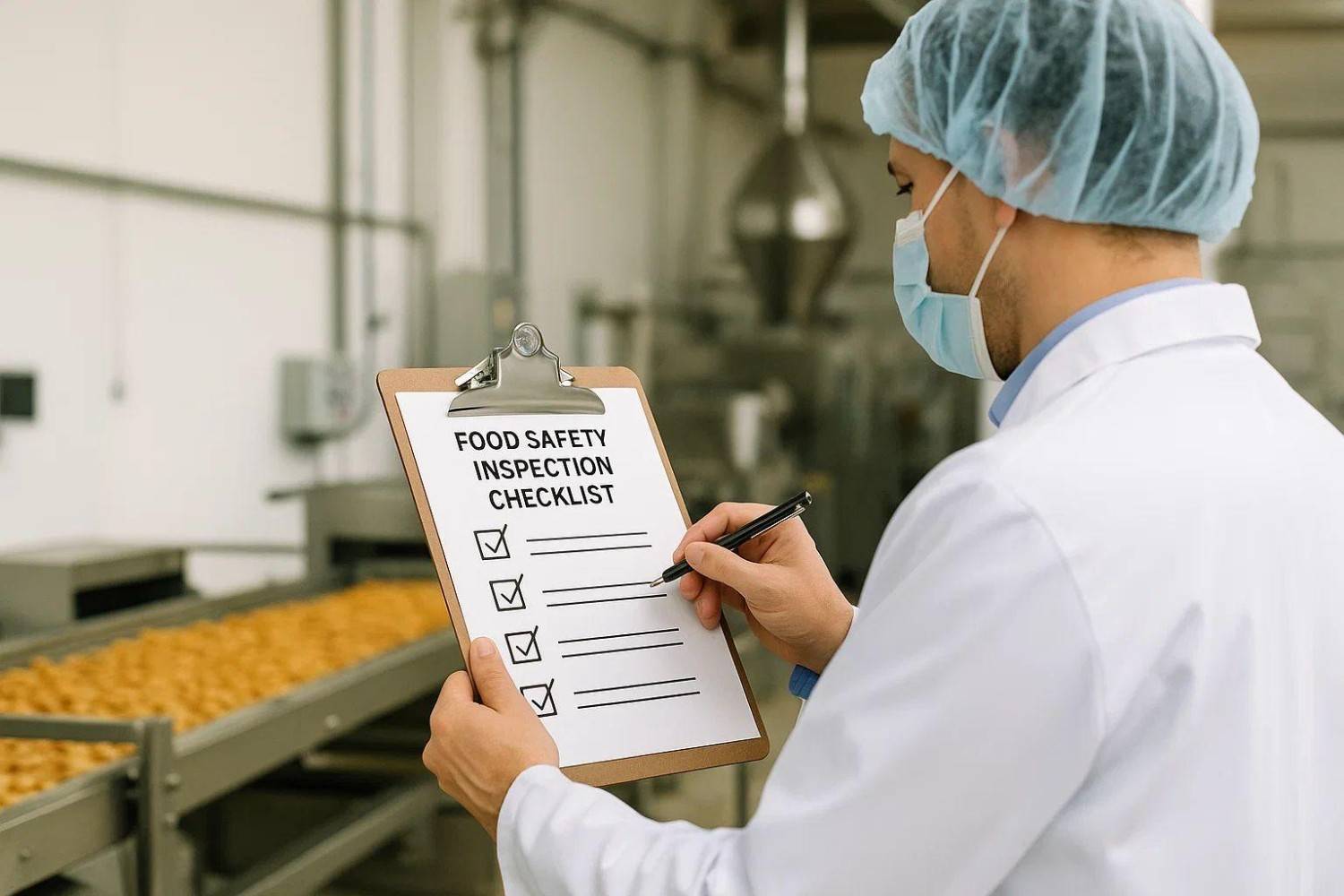
An SQF Edition 10 checklist is an essential tool for food manufacturers. This checklist helps evaluate compliance with SQF Code requirements. The company can also prepare for certification audits, conduct internal audits, and perform gap assessments
It typically covers:
- Food safety plans (HACCP-based)
- Supplier approval and verification
- Document control and recordkeeping
- Facility hygiene and GMPs
- Traceability and recall procedures
SQF Edition 10 Checklist PDF (Downloadable Format)
Most companies start with a downloadable SQF Edition 10 checklist PDF, which includes:
- Clause-by-clause audit questions
- Yes/No/NA scoring
- Space for corrective actions
But here’s the limitation: PDFs are static. They don’t:
- Track progress in real time
- Send reminders
- Manage document versions
That’s why many companies move toward digital or cloud-based checklist systems.
SQF Edition 10 Internal Audit Checklist Template
A strong internal audit template should include:
Core Sections:
- Management commitment
- Food safety system documentation
- Hazard analysis (HACCP)
- Supplier compliance
- Allergen management
- Cleaning and sanitation
- Training records
Pro Tip:
Your checklist should mirror the actual SQF audit structure—this reduces surprises during certification.
Key Changes in SQF Edition 10 Checklist
SQF Edition 10 introduced several important updates:
- Greater focus on food safety culture
- Enhanced risk-based thinking
- Updated requirements for environmental monitoring
- Stronger emphasis on supplier verification
- More detailed documentation controls
Difference Between SQF Edition 9 and 10 Checklists
| Area | Edition 9 | Edition 10 |
| Food Safety Culture | Limited focus | Major requirement |
| Risk Management | Standard | More risk-based approach |
| Documentation | Important | More structured & controlled |
| Supplier Controls | Basic | Expanded verification |
Why SQF Edition 10 Is Important for Food Companies
- Ensures global food safety compliance
- Reduces recall risks
- Builds customer trust and retailer approval
- Improves internal processes and accountability
In short, SQF 10 compliance is an important certification for manufacturers. It builds credibility.
How SQF Edition 10 Improves Food Safety Compliance
Edition 10 strengthens compliance by:
- Standardizing audit expectations
- Requiring better documentation control
- Enforcing continuous improvement
- Increasing traceability and transparency
How to Prepare for SQF Edition 10 Audit (Step-by-Step)
Step 1: Conduct a Gap Assessment
First of all, your company must assess the gaps present there. For easier assessing and finding key gap elements, use an SQF Edition 10 checklist to identify missing elements.
Step 2: Update Documentation
The next step is to make sure all the documentation is up-to-date. This includes SOPs, policies, and records that match current requirements.
Step 3: Train Your Team
Only documentation will not help in the long run. Your employees need to understand the whole process at the core.
Step 4: Perform Internal Audits
Use a structured checklist template to simulate real audits. This is a great technique to find out any issues before being marked red by outside organizations.
Step 5: Fix Non-Conformances
Document corrective actions and verify effectiveness.
Step 6: Organize Records
Make sure all documents are accessible within minutes. In this way, you can present them anytime required.
Common Mistakes in SQF Edition 10 Audits
- Incomplete or outdated documentation
- Poor supplier record management
- Lack of traceability testing
- Missing corrective action evidence
- Relying on spreadsheets and manual tracking
Reality: Most audit failures are due to documentation gaps—not food safety issues
Cloud-Based SQF Checklist System for Food Safety Audits
Managing SQF checklists manually creates problems:
- Version confusion
- Missed updates
- Slow audit response
A cloud-based system like Document Compliance Network (DCN) helps by:
- Centralizing all audit checklists and documents
- Automating supplier document collection
- Tracking compliance gaps in real time
- Keeping your team audit-ready 24/7
Instead of juggling PDFs and spreadsheets, everything is organized, searchable, and audit-ready.
Conclusion
SQF Edition 10 raises the bar for food safety compliance.
A strong checklist helps – but execution, documentation, and organization are what determine audit success.
If you’re preparing for certification, start with a checklist—but plan for a system that scales with your compliance needs.
FAQ’s
Q1. What is an SQF Edition 10 checklist?
Ans: It’s a structured audit tool used to assess compliance with SQF food safety standards.
Q2. Can I download an SQF Edition 10 checklist PDF?
Ans: Yes, many templates are available, but they often require customization.
Q3. What changed in SQF Edition 10?
Ans: Stronger focus on food safety culture, risk management, and documentation.
Q4. How do I prepare for an SQF audit?
Ans: Conduct internal audits, update documentation, train staff, and ensure traceability readiness.
Q5. What’s the best way to manage SQF checklists?
Ans: Using a cloud-based system that automates documentation and audit preparation.
- [post_views]
- 0 Comments